Biological intelligence for therapeutic design
Meet EDEN, our 28-billion-parameter biological foundation model. Trained on 9.7 trillion tokens of evolutionary data, it designs therapeutics across modalities and diseases.
The largest biological model ever trained
Read the scaling laws paperTraining EDEN on BaseData revealed new scaling laws: biological models become far more capable with more data and richer context. We are now using EDEN to design new medicines for arange of diseases.
nucleotide training tokens
parameters
1.95×1024 FLOPs
State of the art generative design across scales
EDEN is a foundation model with programmable design capabilities that span therapeutic modalities, disease areas, and biological scales.
Read THE eden paper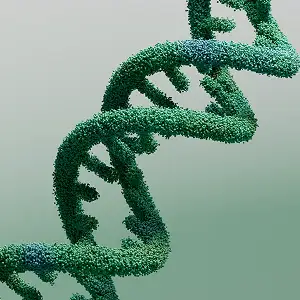
DNA & RNA
We design recombinases and gene editors that precisely insert or rewrite DNA of any length without double-strand breaks.
Proteins
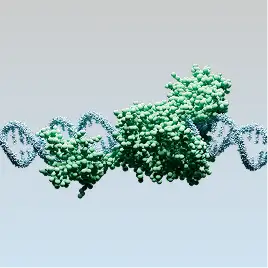
We generate novel peptides, proteins, and entire operons, engineered for potency, stability, and function against specific targets and multiple applications.

Cells
We program cells with large, complex cargos (e.g. arming modules, shRNA knockdown, tunable CAR expression cassettes, safety switches) for in vivo and ex vivo applications.
Design with EDEN through a chat interface
EDEN generates therapeutic candidates directly from information about a disease. Two capabilities are live now, available to researchers worldwide.
Use EDEN to design antimicrobial peptides against the pathogens in this patient microbiology report. Analyze the properties of the antimicrobial peptides and present the results in an easy to understand way.

Opus 5 High
↑
Work with EDEN to design new, potent antibiotics against WHO Critical Priority pathogens. 97% (32/33) were effective against multiple bacterial species, matching the performance of a last-line antibiotic with no further modification.
I have a newly sequenced viral genome and I want to identify immunogenic antigens within the proteome. Use EDEN to predict the probability of immunogenicity for the coding sequences in this FASTA file. Analyze the key properties of the sequences and present the results in an easy to understand way.
Opus 5 High
↑
Predict the probability that a protein-coding antigen will induce an immune response, directly from its native nucleotide coding sequence.